Centre for Communication Governance + GNI
Multistakeholder Approaches to Participation in AI governance (MAP-AI)
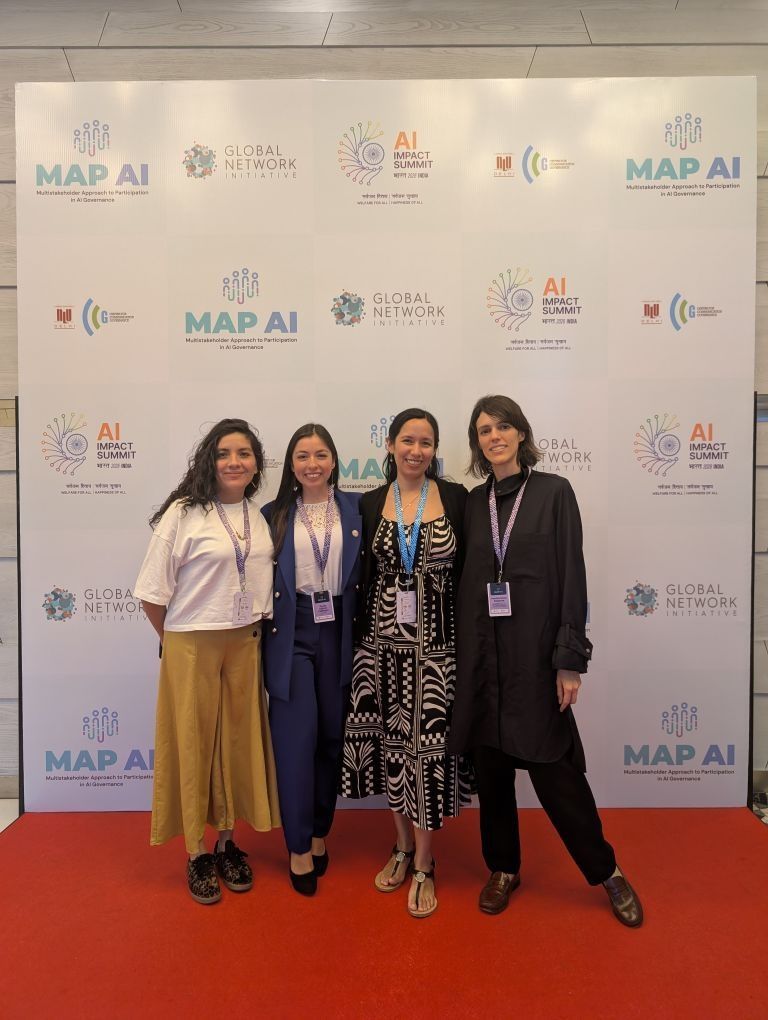
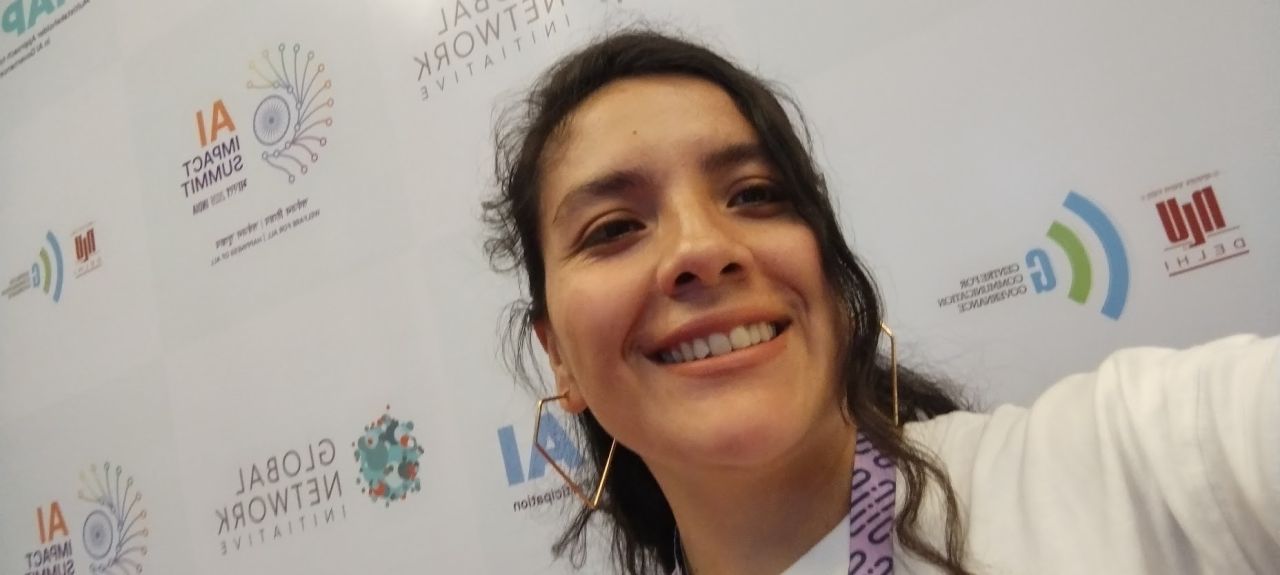
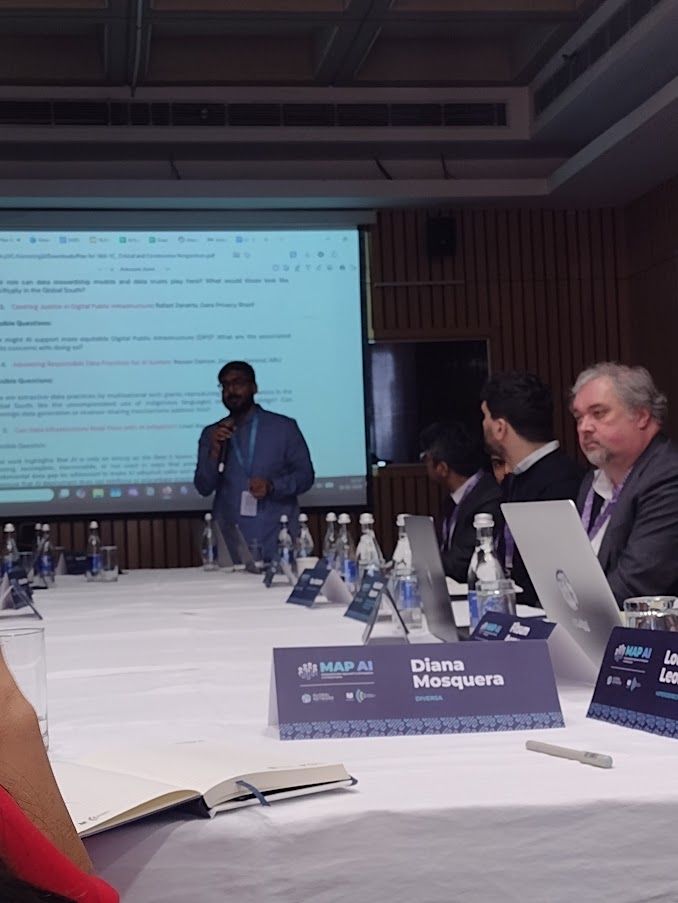
In February 2026, Diversa traveled to New Delhi, India, to take part in a key moment for global conversations on artificial intelligence: the India AI Impact Summit, the first major AI summit of its kind to be hosted in the Global South. We participated in a side event organized by the Centre for Communication Governance (CCG) at the National Law University Delhi and the Global Network Initiative (GNI), as part of the project Multistakeholder Approaches to Participation in AI Governance (MAP-AI). This initiative focuses on a critical challenge: expanding who gets to participate in AI governance and how those decisions are made. At a time when AI debates continue to be dominated by governments and large corporations primarily from the Global North this space aimed to strengthen the participation of historically underrepresented actors, including civil society, academia, and researchers from the Global South.
The India AI Impact Summit marks an important turning point. Not only because it is the first of these high-level gatherings to take place in the Global South, but because it raises an urgent question: who gets a seat at the table when the future of AI is being defined? In the lead-up to the Summit, CCG and GNI convened a series of multistakeholder dialogues across different regions bringing together diverse perspectives to inform the Summit’s agenda. These conversations reinforced something we at Diversa have long emphasized: without meaningful and sustained participation from the Global South, AI governance frameworks risk reproducing structural inequalities while overlooking critical knowledge and lived experiences. During our time in New Delhi, we engaged in discussions on key issues such as global AI governance, safe and trustworthy AI, inclusive technological ecosystems, and the tensions surrounding access, risk, and impact. But beyond the topics themselves, what was at stake was the possibility of influence. Creating space for different voices different epistemologies, different lived realities not just to be heard, but to actively shape global AI governance processes and outcomes.