Artificial Intelligence: The Untold Story
KTH Royal Institute of Technology
Team: Ce Larrea (Casimira), Diana Mosquera, Francisco Gallegos, Atelier Uio
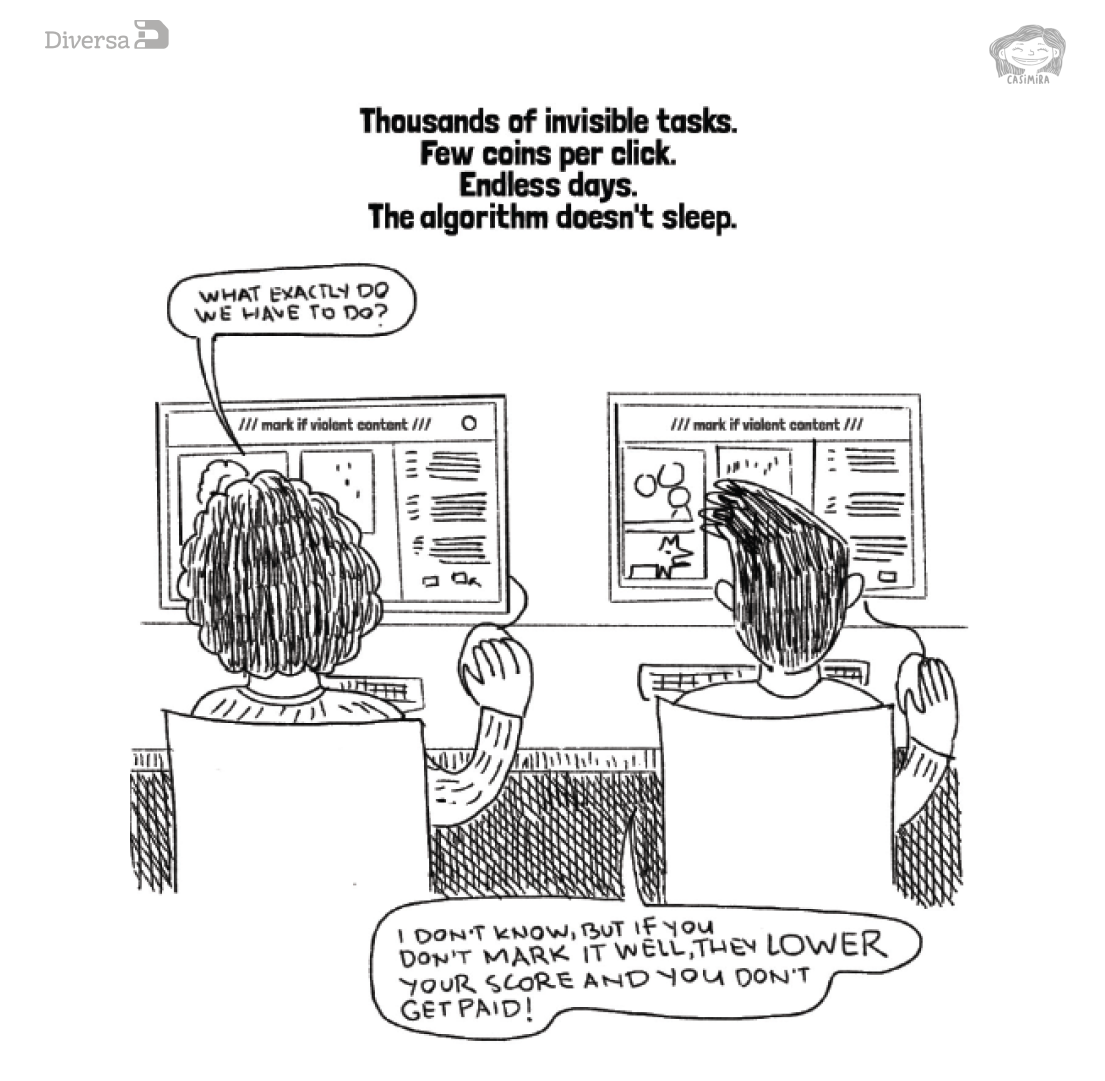
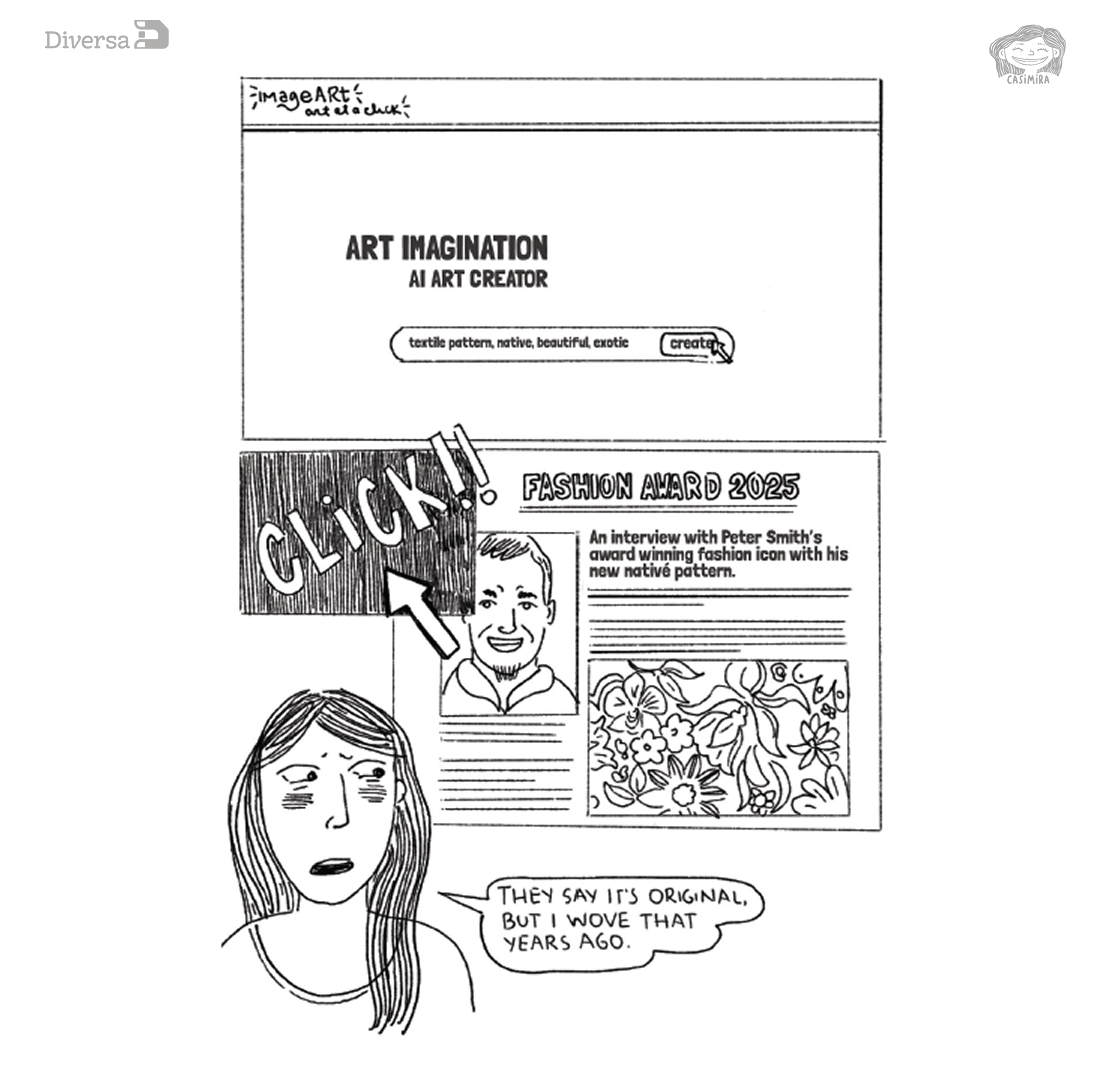
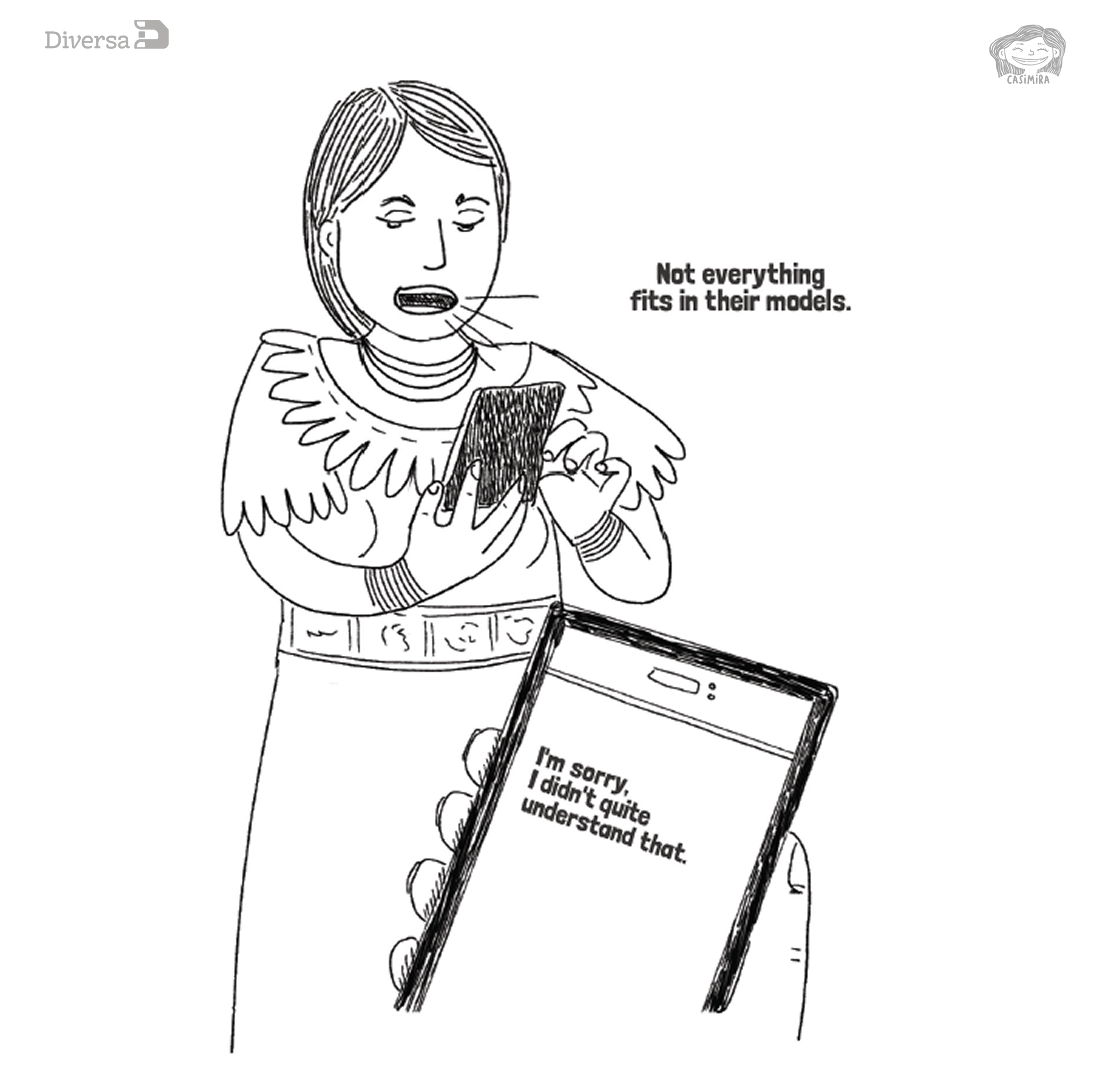
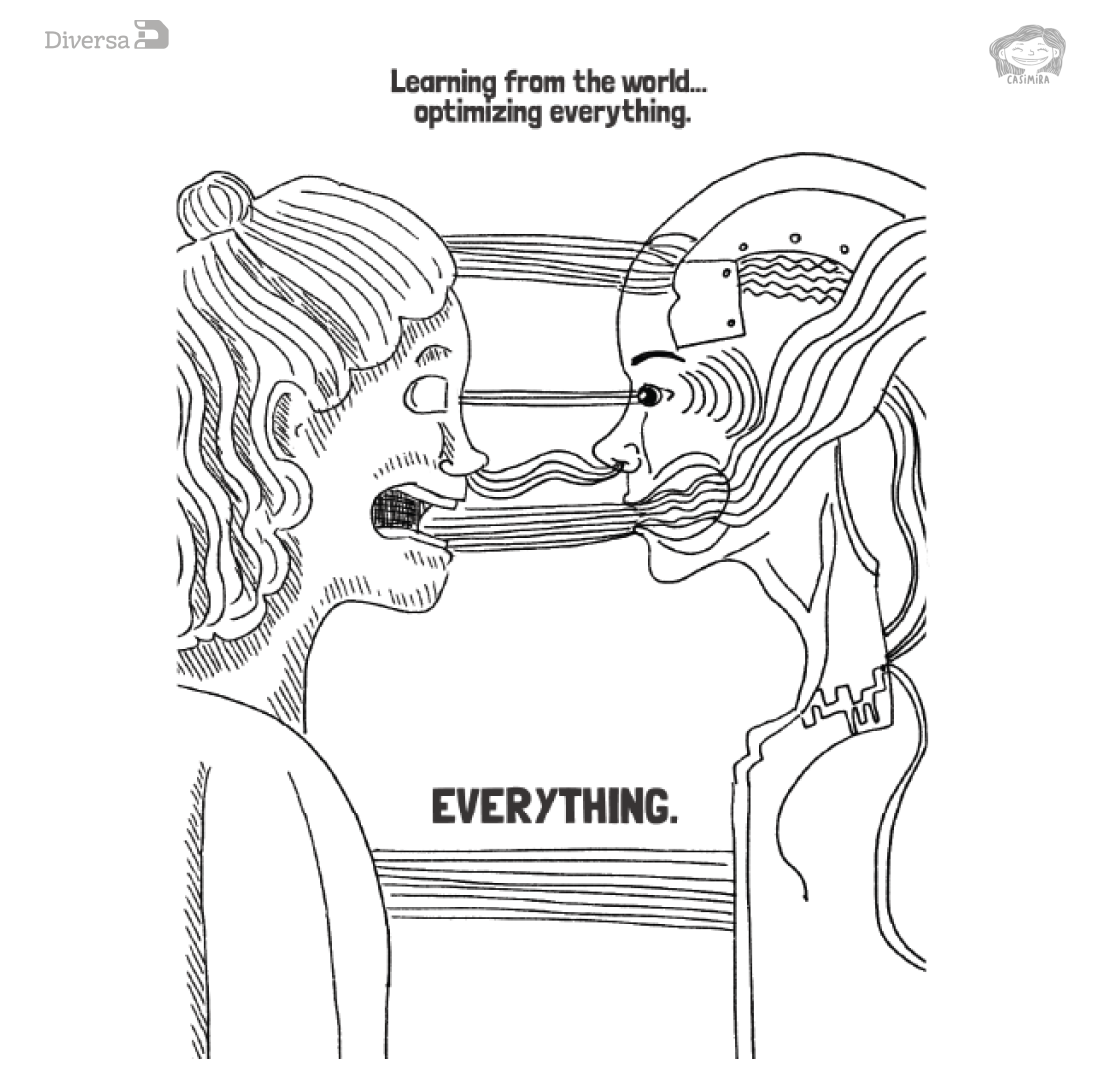
Artificial Intelligence: The Untold Story is our first fanzine produced in collaboration with our dear friend, Ce Larrea (Casimira), and was handcrafted at the Atelier workshop in Quito. Through each illustration, we narrate the invisible labor and natural resources that sustain the development of artificial intelligence.
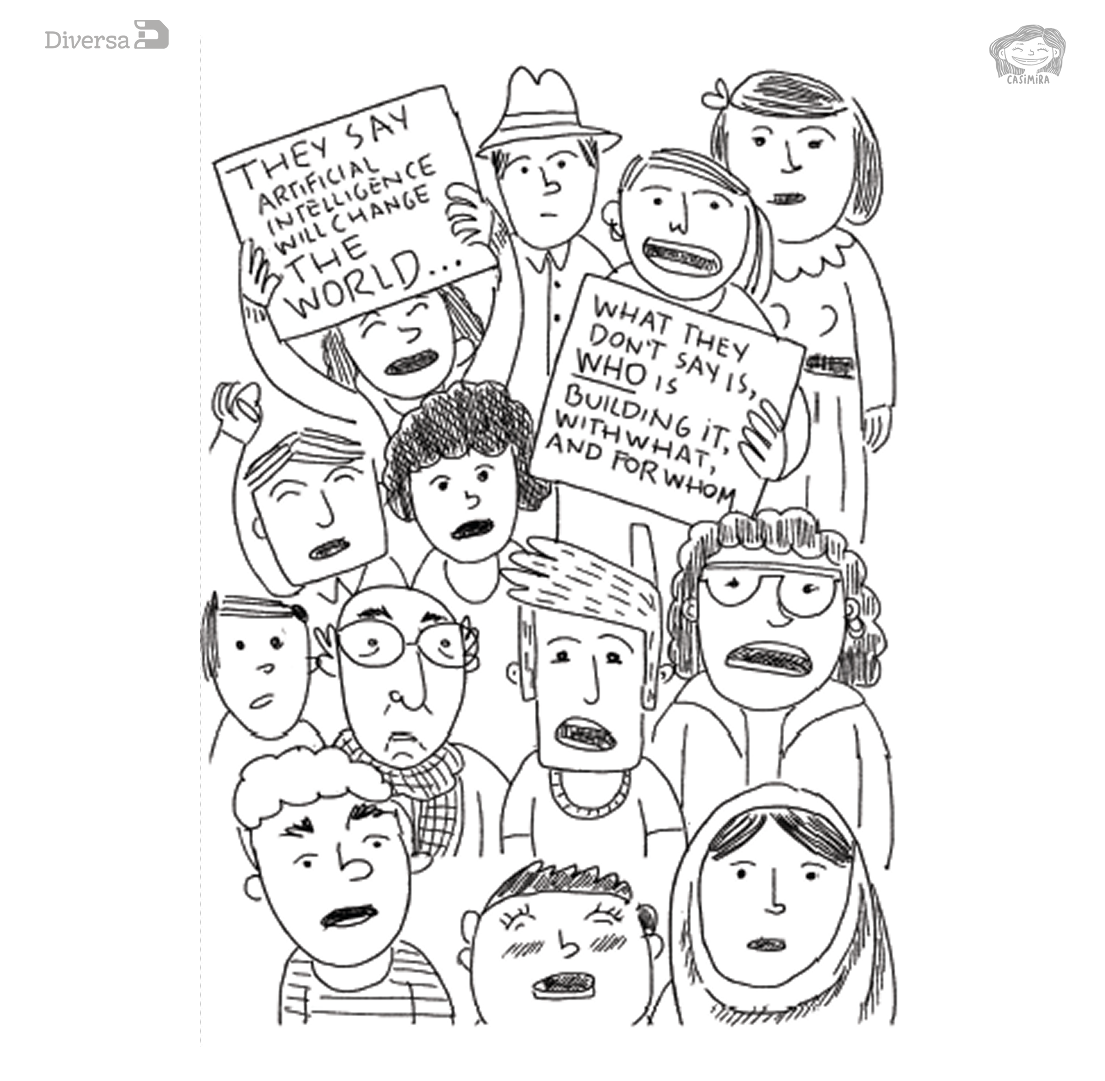
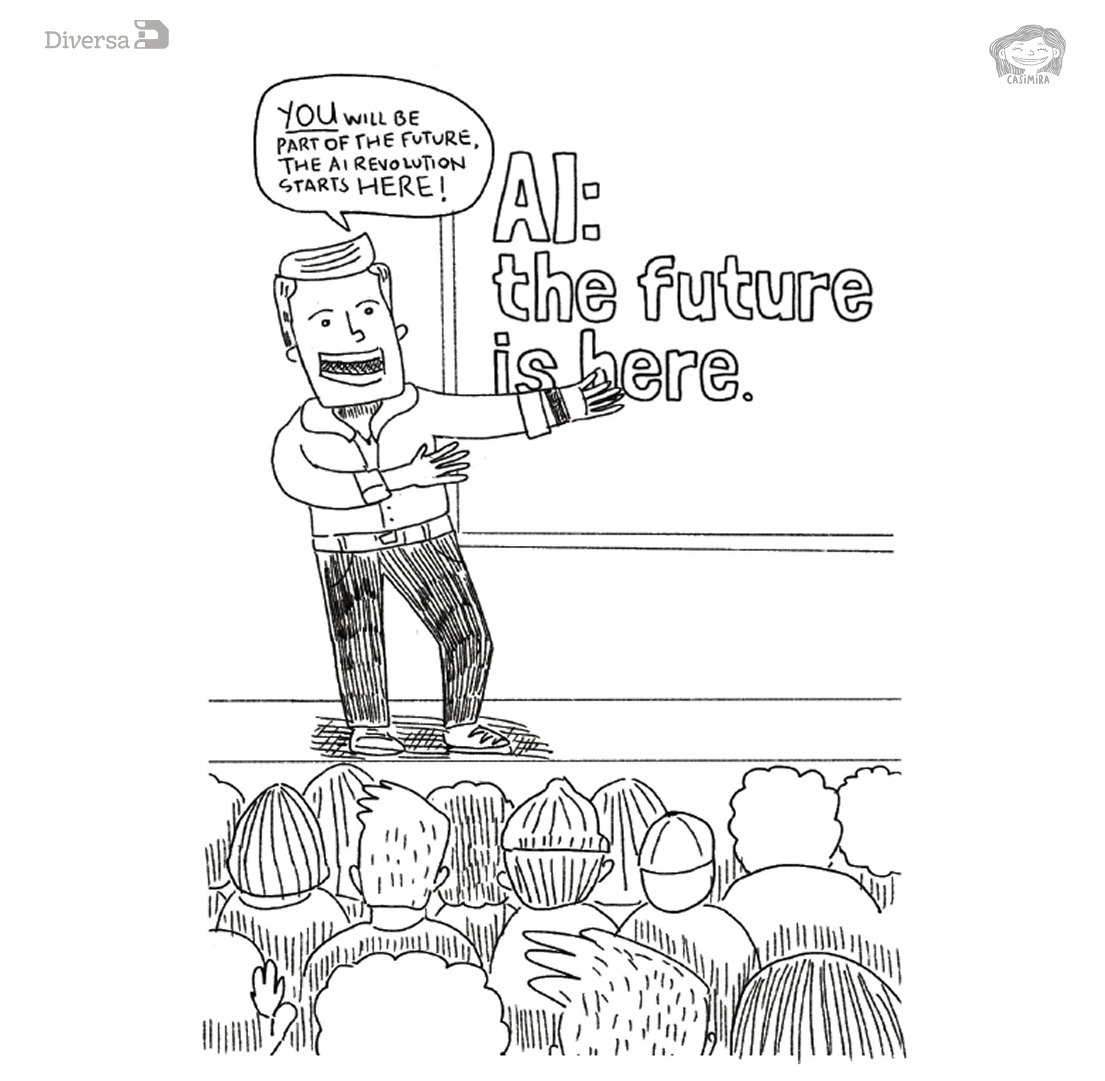
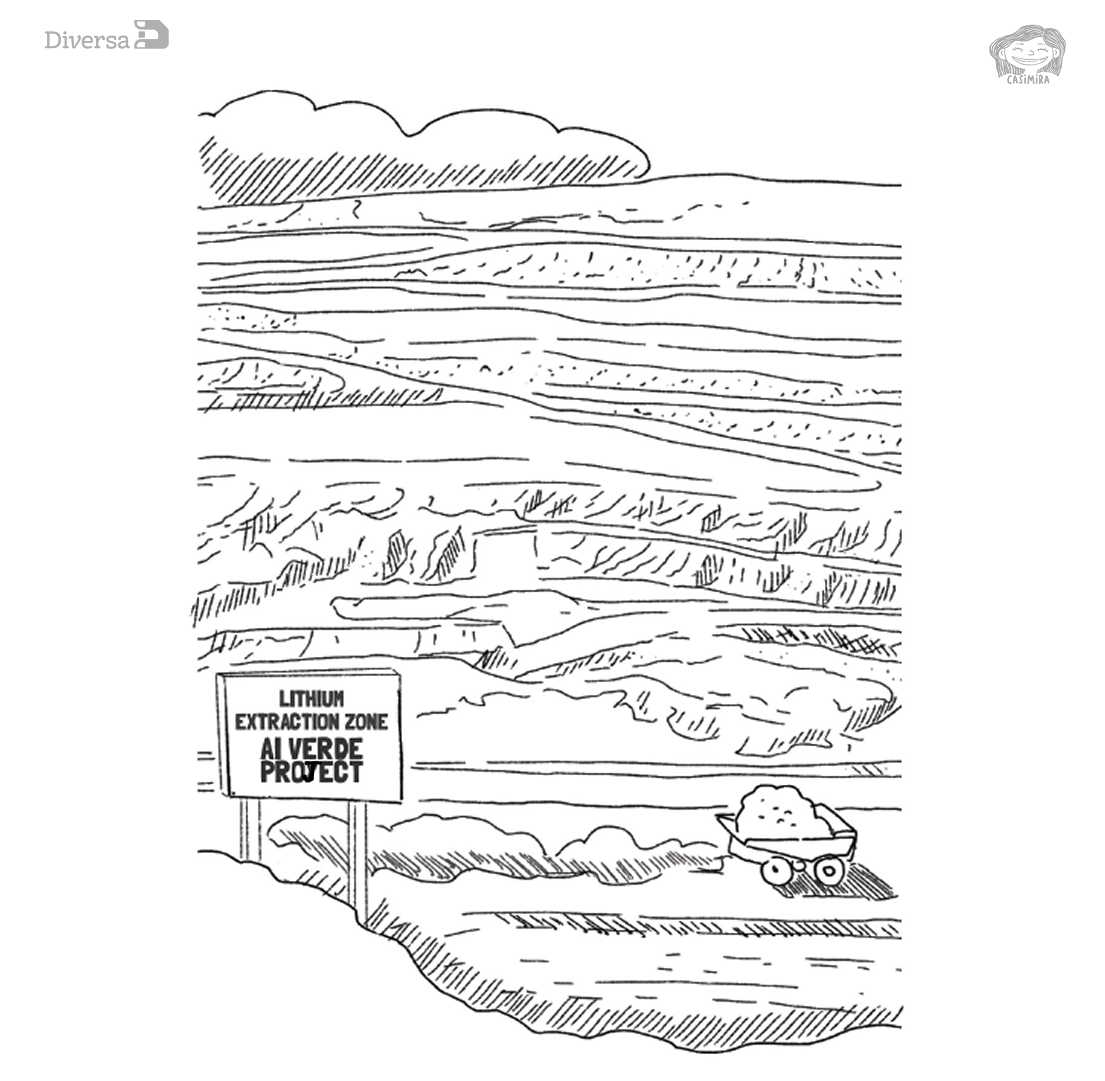
What bodies, what resources, what territories make the existence of artificial intelligence possible? This is the question that gives rise to this fanzine, an illustrated work that narrates the less visible yet utterly essential side of AI development. For decades, artificial intelligence has been presented as something ethereal, neutral, dematerialized. We have been led to believe that AI "thinks," "reasons," "feels"—that it exists on a superior plane, floating in clean and intelligent digital clouds. But this story is incomplete. What is not told and what we need to tell is that AI, data, technology is profoundly material. Behind every automated system, every recommendation, every algorithm, there are extracted minerals, diverted rivers, perforated mountains, and displaced forests.
AI needs lithium, copper, silicon, water, energy. To function, it requires data centers that consume more electricity than entire countries. It needs a colossal physical infrastructure, sustained by territories that are often colonized, exploited, or precarized. This infrastructure has place and body.
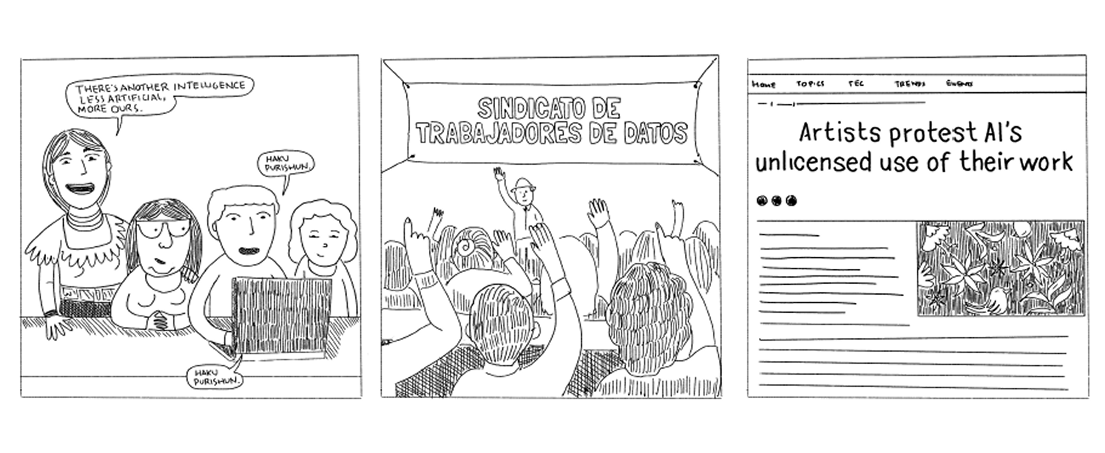
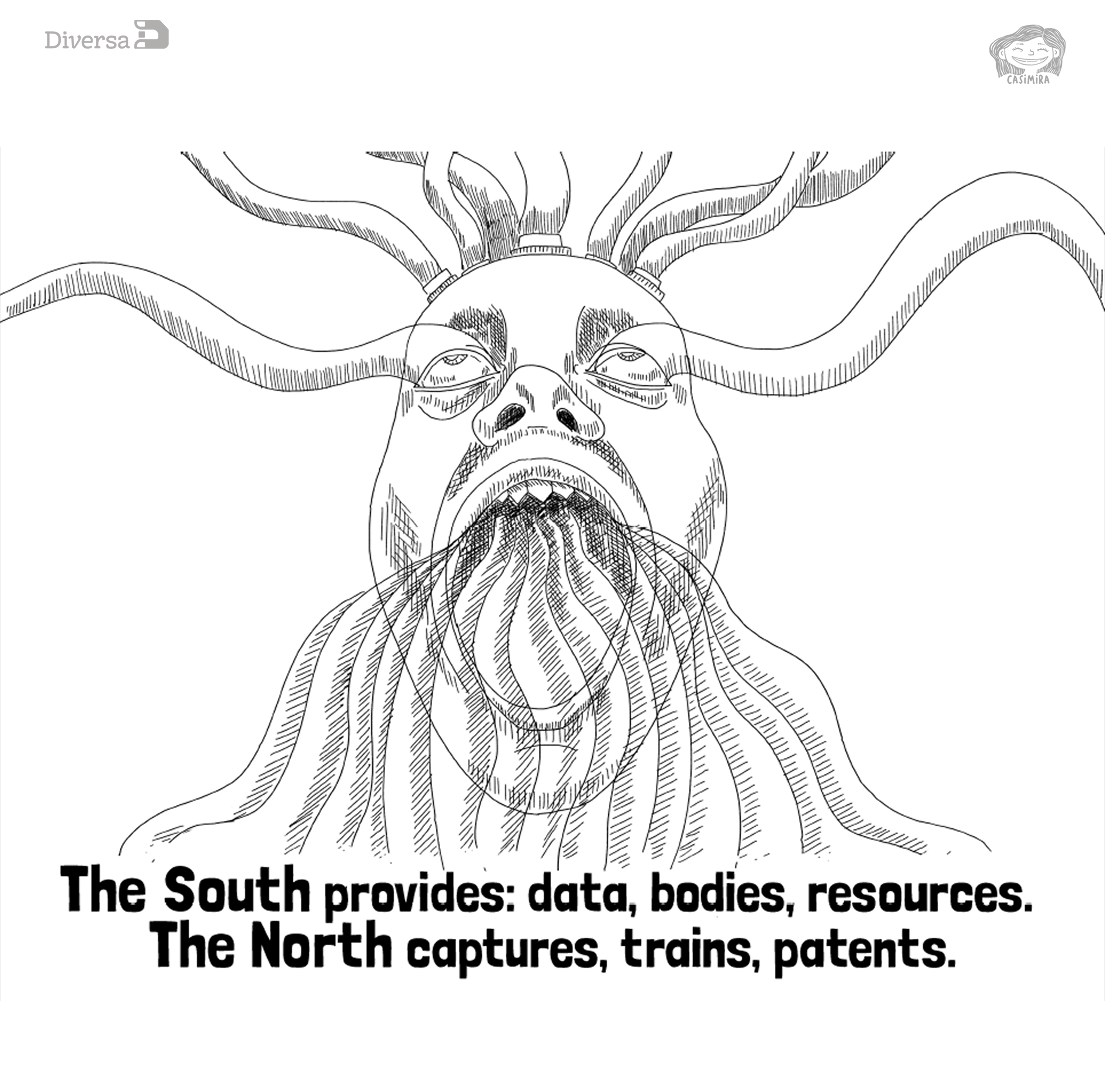
But it is not only resources. AI also feeds on the labor of thousands of people. People who label millions of images, clean databases, moderate violent or sexual content, transcribe audio, translate texts, review errors. People rendered invisible by narratives of "total automation." People contracted through opaque platforms, without labor rights, often in Global South countries. Data workers, moderators, invisible curators are those who sustain the promise of functional AI. Without this human labor, artificial intelligence is not possible. So we ask ourselves again: Who sustains this development? In exchange for what? And for whom?
Telling this story is an act of resistance. Because making visible what the hegemonic narrative silences allows us to imagine other possibilities. It allows us to question the current model, centered on the concentration of power, on the exploitation of bodies and resources, on technological acceleration without justice. It also invites us to build more just, more conscious, more situated technologies.